

 العربية


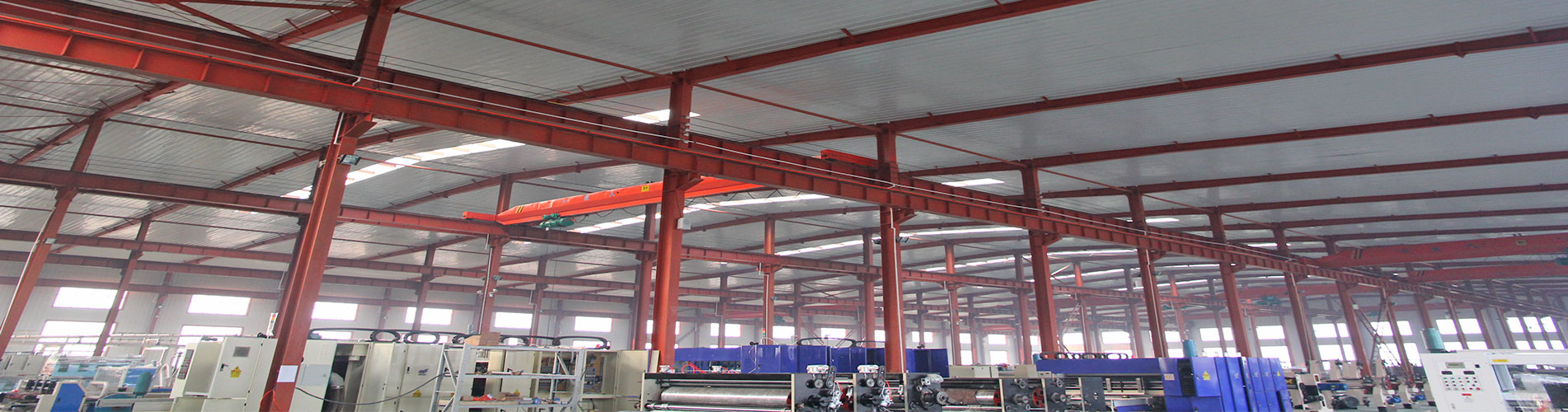

Steel frame storage buildings are the cornerstone of industrial warehousing
Steel Frame Storage Buildings: The Unshakable Cornerstone of Modern Industrial Warehousing
In the vast landscape of industrial and logistics infrastructure, one element stands as the fundamental support upon which global commerce operates: the steel frame storage building. More than just a shell to house goods, these structures are the very backbone of efficiency, scalability, and innovation in supply chains worldwide. But what exactly makes them the indispensable cornerstone of industrial warehousing?
The Pillars of Strength: Why Steel Frames Dominate
1. Unmatched Span and Interior Freedom
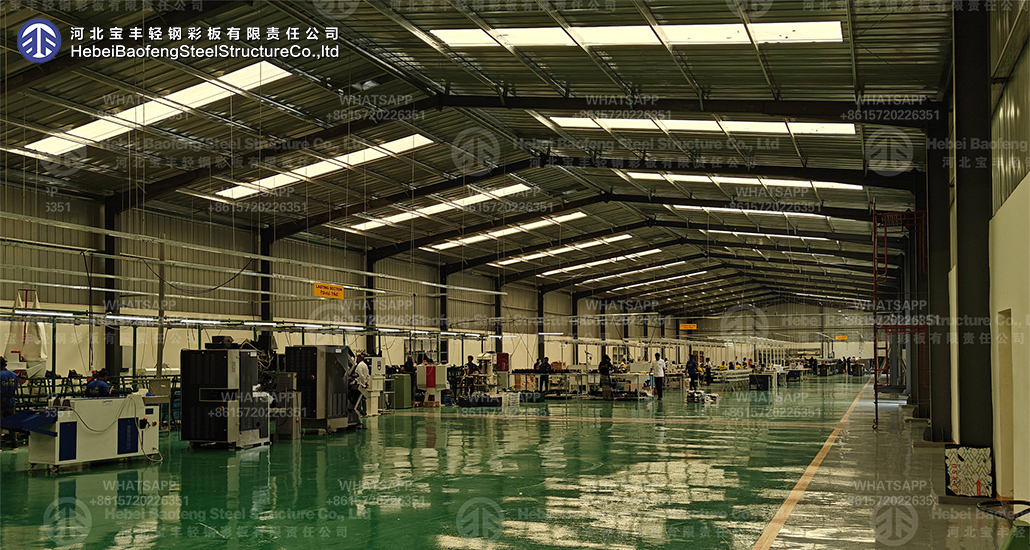
The high strength-to-weight ratio of steel allows for vast, column-free interior spaces. This means maximum usable storage area, seamless navigation for forklifts and automated guided vehicles (AGVs), and the flexibility to configure and reconfigure layouts as operational needs evolve. For modern high-density storage systems, from rack-supported designs to fully automated retrieval systems, this open space is not a luxury—it’s a necessity.
2. Speed of Construction = Speed to Market
Time is money, and steel delivers. With components prefabricated off-site, steel structures can be erected significantly faster than traditional concrete alternatives—often cutting project timelines by 60% or more. This accelerated build schedule allows businesses to begin operations sooner, realize a quicker return on investment, and adapt rapidly to market demands or expansion opportunities.
3. Durability Meets Low Maintenance
Properly coated and maintained steel offers exceptional resistance to environmental wear, pests, and fire. Modern galvanization and paint systems ensure longevity with minimal upkeep, translating to lower lifecycle costs and greater reliability over decades of service.
4. Inherent Flexibility for Future Growth
The modular nature of steel framing makes future expansions—whether horizontal or vertical—remarkably straightforward. As storage needs grow, the building can grow with them, avoiding the costly and disruptive “start from scratch” approach required by more rigid construction methods.
Beyond Storage: The Evolution into Smart Hubs
Today’s warehouses are no longer passive repositories; they are dynamic, technology-driven nodes in the supply chain. Steel frame buildings provide the ideal physical platform for this transformation:
Automation Ready: The strength and precision of steel framing support the installation of advanced automation, including robotics, conveyor systems, and high-rise automated storage and retrieval systems (AS/RS).
Specialization Made Possible: From temperature-controlled environments for perishables to clean rooms for sensitive materials, steel buildings can be efficiently insulated, sealed, and customized to meet stringent operational requirements.
Sustainability by Design: Steel is the world’s most recycled material, with a recovery rate nearing 100%. Furthermore, the large, unobstructed roof areas of these buildings are perfect for solar panel installations, turning storage facilities into generators of clean energy and reducing their carbon footprint.
The Bottom Line
Choosing a steel frame storage building is not merely a construction decision—it’s a strategic business investment. It represents a commitment to strength, speed, adaptability, and efficiency. In an era where logistics can make or break a company’s competitive edge, the steel frame warehouse provides the resilient, scalable, and intelligent foundation required to thrive.
From facilitating next-day delivery to housing the robots that power tomorrow’s logistics, these structures quietly and reliably do their job. They are, quite literally, the cornerstone upon which the modern world of commerce is stored, sorted, and shipped.
فئات
أحدث مدونة


for .استفسارات حول منتجاتنا أو الأسعار بينها، يرجى ترك لنا وسنكون على اتصال في غضون 24 ساعات.
© حقوق النشر: 2026 Hebei Baofeng Steel Structure CO.,LTD كل الحقوق محفوظة.

IPv6 شبكة مدعومة


 +8615720226351