

 العربية


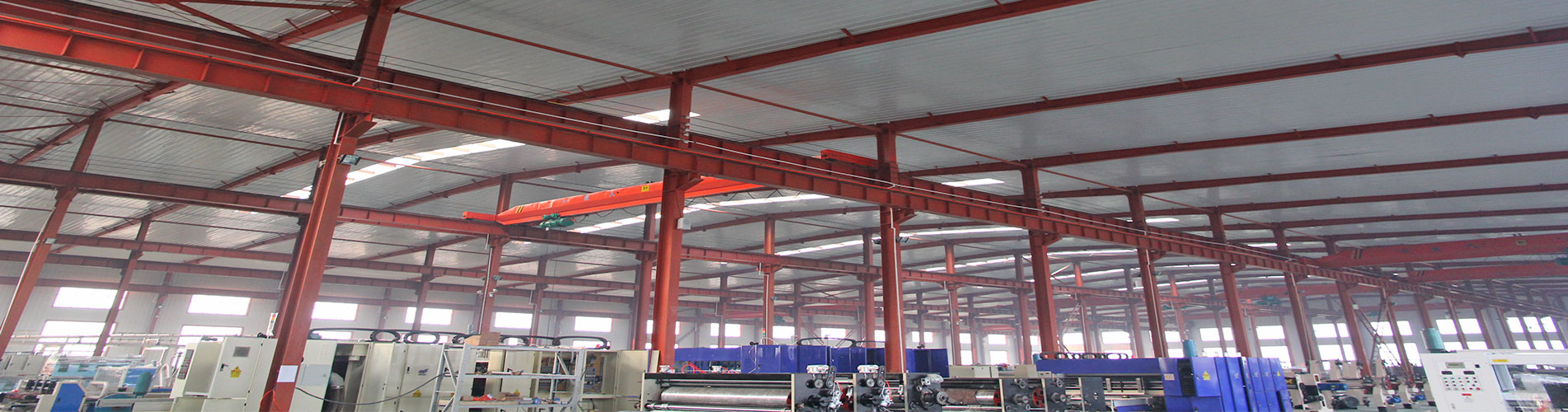

Why are steel structure buildings becoming increasingly popular in Central Asia?
Introduction
In recent years, Central Asia has witnessed a remarkable surge in the adoption of steel structure buildings. From industrial complexes to commercial centers and residential projects, steel has become the material of choice for modern construction across the region. This trend is not merely a coincidence but rather the result of a perfect alignment between steel's inherent advantages and Central Asia's unique development needs.
The Driving Forces Behind the Trend
1. Massive Infrastructure Investment
Central Asia has become a focal point for infrastructure development, particularly under China's Belt and Road Initiative (BRI). The region is experiencing unprecedented investment in transportation networks, energy projects, and urban development. Steel structures offer the speed and efficiency required to meet these ambitious construction timelines.
The China-Kyrgyzstan-Uzbekistan railway project, currently underway, exemplifies this trend. By shortening the China-Europe rail route by approximately 900 kilometers, this project demands rapid construction methods that only steel structures can provide.
2. Economic Growth and Industrialization
Central Asian economies are transitioning from resource-based models to more diversified industrial structures. The region's internal investment reached $1.3 billion in the first half of 2025, with 80% flowing into construction, manufacturing, and finance sectors. This economic transformation requires modern industrial facilities, warehouses, and commercial spaces that can be built quickly and efficiently.
Technical Advantages Making Steel the Preferred Choice
1. Speed of Construction
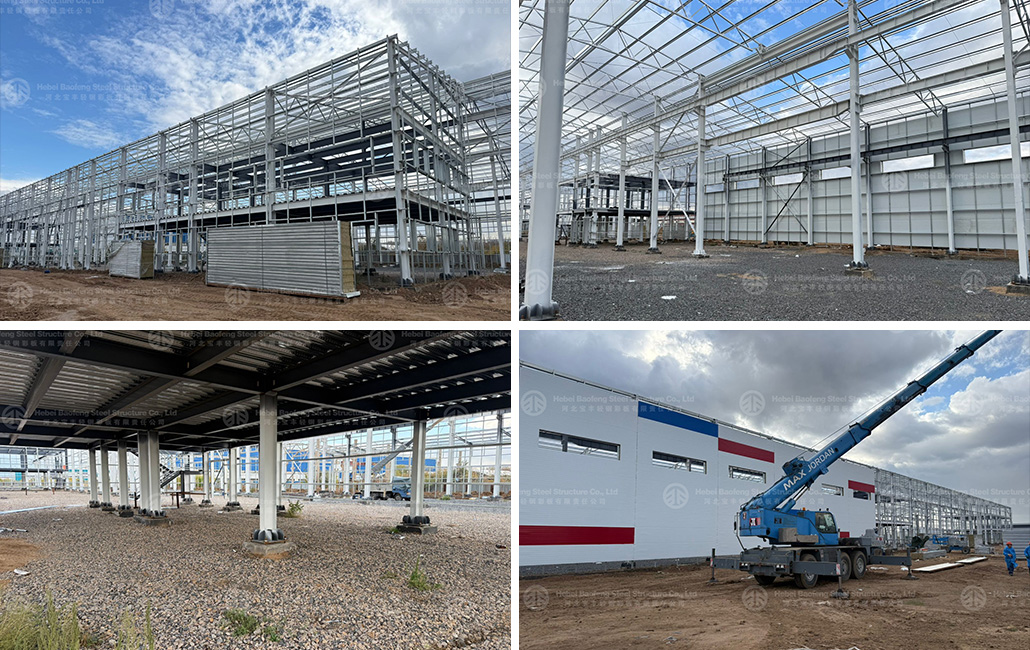
Steel structures can be prefabricated off-site, allowing for simultaneous foundation work and component manufacturing. This parallel construction process reduces overall project timelines by 30-50% compared to traditional methods. In a region where rapid development is crucial, this time-saving advantage is invaluable.
2. Seismic Resilience
Central Asia's location along seismic zones makes earthquake resistance a critical consideration. Steel's ductility and ability to absorb energy make it exceptionally well-suited for earthquake-prone areas. Unlike brittle materials, steel can bend without breaking, providing crucial life-saving protection during seismic events.
3. Design Flexibility
Steel's high strength-to-weight ratio enables architects to create large, column-free spaces and innovative designs. This flexibility is particularly valuable for industrial buildings requiring wide spans for machinery, as well as for commercial spaces that benefit from open floor plans.
4. Cost Efficiency
Despite initial material costs, steel structures offer significant long-term savings. The reduced construction time translates to lower labor costs and earlier project completion, allowing for quicker return on investment. Additionally, steel's durability means lower maintenance costs over the building's lifespan.
Environmental and Sustainability Benefits
1. Recyclability
Steel is the world's most recycled material, with a recycling rate exceeding 90%. This circular economy approach aligns with global sustainability goals and reduces the environmental impact of construction.
2. Energy Efficiency
Steel structures can be easily integrated with modern insulation systems and energy-efficient technologies. This is particularly important in Central Asia's extreme climate conditions, where heating and cooling costs can be substantial.
3. Reduced Waste
Prefabrication minimizes on-site waste, and steel components can be disassembled and reused at the end of a building's life. This contrasts with traditional construction methods that generate significant demolition waste.
Market Opportunities and Future Outlook
The demand for steel structures in Central Asia shows no signs of slowing down. Major projects like Uzbekistan's Olympic City, built entirely to Chinese standards, demonstrate the region's commitment to modern construction techniques. Kazakhstan's industrial and energy projects continue to drive demand for steel-framed facilities.
As Central Asian countries continue their economic development and urbanization, the advantages of steel structures—speed, safety, sustainability, and cost-effectiveness—will ensure their continued dominance in the construction landscape.
Conclusion
The rise of steel structure buildings in Central Asia is a testament to the material's ability to meet the region's unique challenges and opportunities. From seismic safety to rapid construction timelines and environmental sustainability, steel offers solutions that traditional materials cannot match. As Central Asia continues its development journey, steel structures will undoubtedly play a central role in shaping the region's built environment for decades to come.
فئات
أحدث مدونة


for .استفسارات حول منتجاتنا أو الأسعار بينها، يرجى ترك لنا وسنكون على اتصال في غضون 24 ساعات.
© حقوق النشر: 2026 Hebei Baofeng Steel Structure CO.,LTD كل الحقوق محفوظة.

IPv6 شبكة مدعومة


 +8615720226351