Walk past any new industrial park today, and you’ll notice a common theme: sleek, expansive factory buildings framed in steel. Concrete once dominated the industrial landscape, but steel has firmly taken the lead. So why have steel structures become the go-to choice for modern factories? The answer lies in a mix of economics, efficiency, durability, and adaptability—factors that matter more than ever in today’s fast-paced manufacturing world.
1. Speed: Time Is Money
In manufacturing, delays cost real money. Steel structures shine here because they’re largely prefabricated. Beams, columns, and panels are manufactured off-site to precise specifications, then delivered ready for assembly. Compared to pouring concrete and waiting days for curing, steel erection is lightning-fast. A mid-sized factory that might take six months with traditional methods can often be completed in half the time using steel. For businesses racing to meet market demand, that speed advantage alone is a game-changer.
2. Cost-Effectiveness Over the Long Run
While steel isn’t always cheaper per ton than concrete, the total project cost often favors steel. Faster construction means lower labor expenses and earlier occupancy—factories can start producing sooner, generating revenue while competitors are still building. Maintenance is simpler, too. Unlike concrete, which can crack and require patching, steel structures resist pests, rot, and many types of damage. With proper coatings, steel also stands up well to corrosion, reducing long-term repair bills. Insurance premiums may even be lower, since steel is non-combustible and less prone to fire damage.
3. Strength Without Bulk
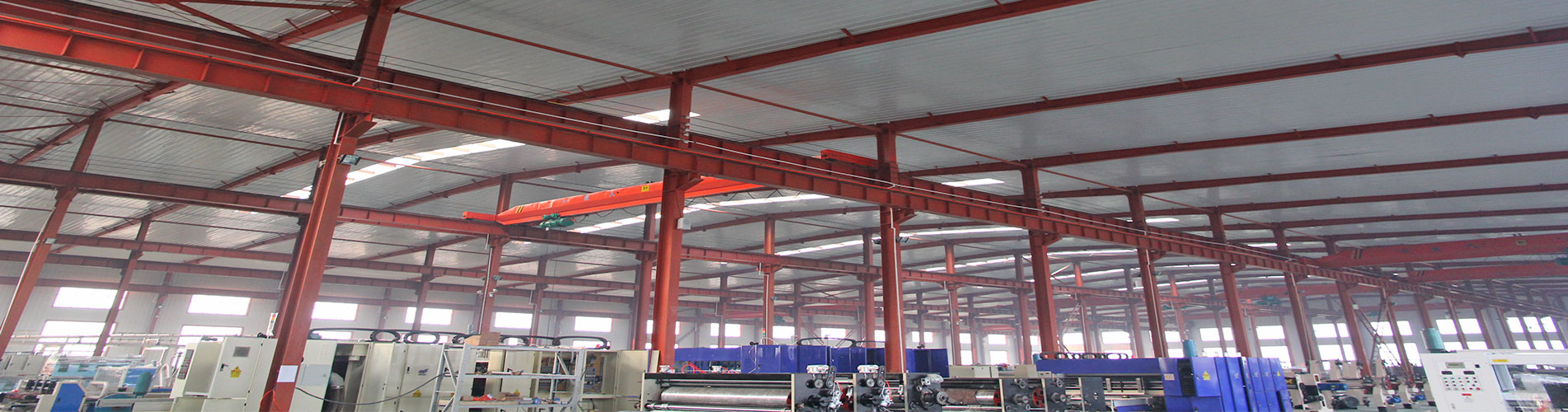
Steel offers an exceptional strength-to-weight ratio. It can span much wider distances without intermediate columns than concrete, creating open, column-free floor plans. That flexibility matters for factories: production lines change, machinery gets upgraded, and workflows evolve. With steel, reconfiguring space is far easier than knocking down thick concrete walls. Need a clear span of 30 meters for a large assembly line? Steel handles it with ease. Concrete would need bulky supports that eat into usable floor space.
4. Durability in Tough Conditions
Factories aren’t gentle environments. Heavy equipment vibrates, forklifts bump into walls, and extreme temperatures are common. Steel flexes rather than cracks under stress, making it ideal for seismic zones or areas with high winds. It’s also resistant to termites, mold, and moisture—problems that plague wood or concrete in humid climates. In coastal regions, galvanized or weathering steel adds extra protection against salt air, ensuring the building lasts decades with minimal upkeep.
5. Sustainability: Good for Business, Good for the Planet
Sustainability isn’t just a buzzword; it’s a business priority. Steel is one of the most recycled materials on earth—most structural steel contains 90% or more recycled content. At the end of a factory’s life, nearly all the steel can be melted down and reused, reducing landfill waste. Plus, steel buildings are energy-efficient to heat and cool. Insulated metal panels (IMPs) combine structure and insulation in one, cutting HVAC costs. Many companies also opt for cool-roof coatings that reflect sunlight, lowering cooling loads in hot climates. For businesses aiming to hit ESG targets, steel checks the right boxes.
6. Design Flexibility for Modern Needs
Today’s factories aren’t just about production—they often include offices, R&D labs, and employee amenities. Steel adapts to mixed-use designs effortlessly. Want large windows for natural light? Steel frames support expansive glazing without sacrificing structural integrity. Need mezzanines for storage or extra workspace? Steel makes adding levels straightforward. Even aesthetics matter: steel buildings can be clad in materials ranging from corrugated metal to brick veneer, fitting seamlessly into industrial parks or urban settings.
7. Safety First
Steel’s non-combustible nature is a huge safety plus. In a fire, steel won’t fuel flames like wood, and it retains structural integrity longer than unprotected concrete (which can spall under extreme heat). This buys critical time for evacuations and firefighting. Construction sites are safer, too—prefabricated components mean fewer on-site welding and cutting tasks, reducing accident risks compared to pouring concrete or laying bricks.
The Bottom Line
From faster build times and long-term savings to sustainability and design freedom, steel structures check nearly every box for modern factory owners. As manufacturing evolves—with automation, flexible production lines, and green initiatives taking center stage—steel’s versatility ensures it will remain the backbone of industrial construction.


 العربية





 +8615720226351